Safe Gas Delivery to Every Appliance
Residential Gas Line Services in Chandler for appliance connections, leak detection, and system repairs requiring licensed expertise
Gas line failures create hazards that demand immediate professional attention, not delayed scheduling or temporary fixes. When you smell the distinct sulfur odor added to natural gas near water heaters, ranges, or outdoor connections, or when an appliance fails to ignite despite proper controls, the gas distribution system requires inspection and repair by licensed technicians. A Discount Plumbing performs gas line installation, repair, replacement, and leak detection for residential systems in Flint, addressing the concealed piping that delivers fuel to water heaters, furnaces, stoves, dryers, and other gas-powered equipment throughout your home.
Gas line services include installing new lines for appliance additions or kitchen remodels, repairing corroded fittings or damaged pipe sections, replacing outdated piping that no longer meets code, and detecting leaks using pressure testing and specialized detection equipment. Safety-first inspections examine connections at every appliance, test shut-off valves for proper operation, and verify that ventilation requirements are met before gas flows through repaired or newly installed lines.
Call immediately if you detect gas odor or suspect a leak, and schedule an inspection to evaluate aging gas line components before failures occur.
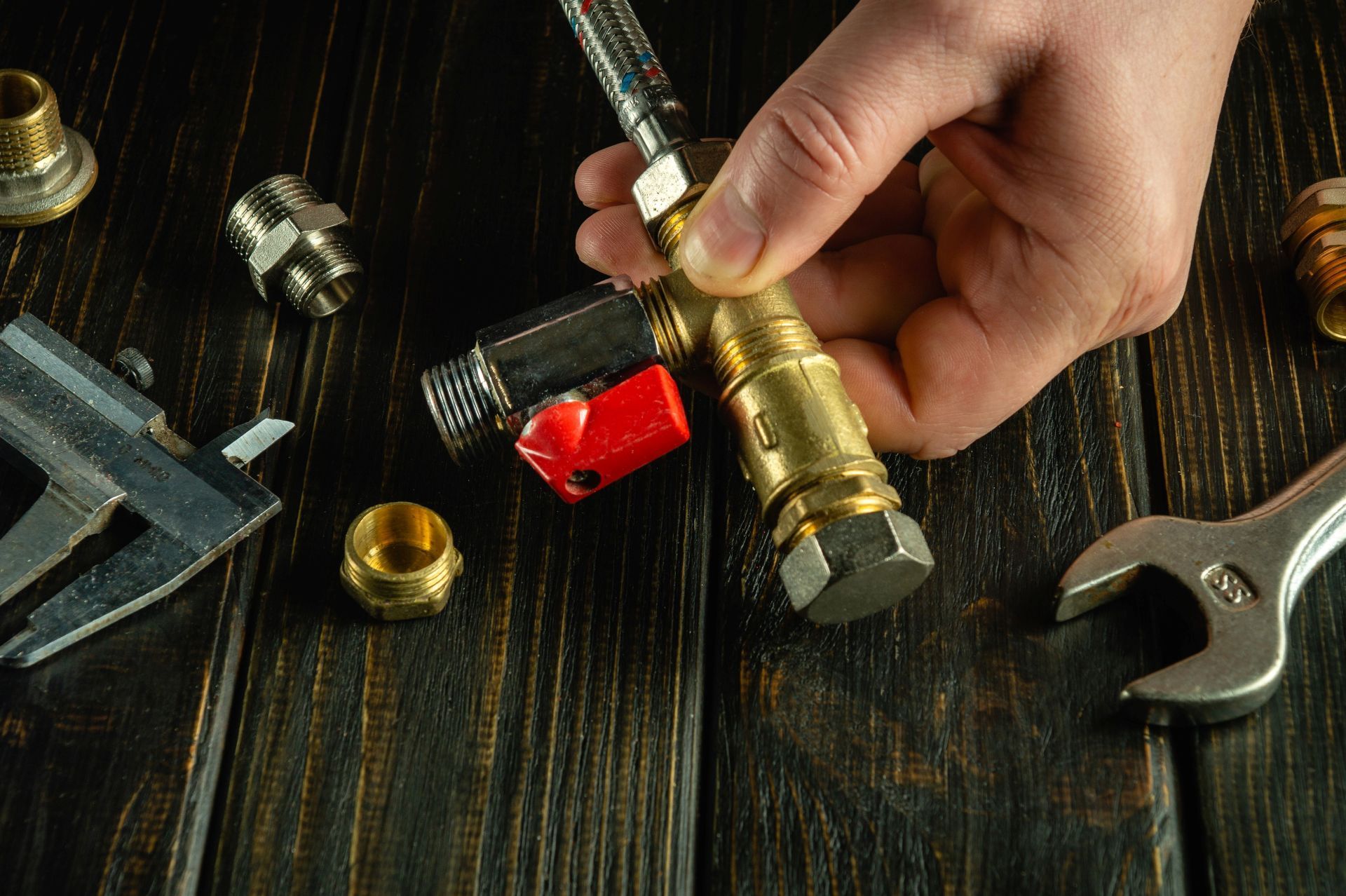
Why Gas Line Work Requires Licensed Professionals
Gas line installations involve sizing pipe diameter based on appliance BTU demand and line length, threading and sealing joints to prevent even minor leaks, and pressure-testing completed systems before gas flows to confirm zero leakage at any connection point. Leak detection uses electronic sensors that identify gas presence at concentrations too low for human smell, along with soap solution testing at joints and valves to visually confirm bubble formation indicating escaping gas. Repairs may require excavating buried yard lines, cutting out corroded sections inside walls or crawl spaces, and installing code-compliant piping materials that resist corrosion and meet current residential standards.
Once gas line repairs or installations finish, appliances ignite reliably without delayed lighting or weak flames, no sulfur odor appears near connections or along pipe runs, and shut-off valves turn smoothly to stop gas flow during maintenance or emergencies. You also notice that pilot lights on water heaters and furnaces stay lit consistently, gas ranges produce even blue flames across all burners, and no hissing sounds indicate escaping gas at appliance connections or distribution points.
Gas line work includes testing for leaks after every connection is made, confirming appliance operation once gas is restored, and documenting installations to meet local plumbing codes. Services do not include appliance repairs unrelated to gas supply, such as replacing igniters or thermostats, or modifying home structures to accommodate new appliance locations. Homeowners converting from electric to gas appliances may require electrical disconnection and vent installation in addition to gas line extensions.
Answers to Frequent Gas Line Service Questions
Gas systems operate safely when properly installed and maintained, but understanding what gas line services involve helps homeowners recognize when professional evaluation is necessary.
What happens during a gas leak inspection?
Technicians pressurize the gas system, isolate sections to identify leaking areas, apply detection equipment and soap solutions to every joint and valve, and mark any location where gas escapes for immediate repair before restoring normal operation.
How are gas lines sized for new appliances?
Pipe diameter is calculated based on the appliance's BTU rating, the distance from the meter to the appliance, and the total demand from all connected equipment, ensuring adequate gas pressure reaches each unit without starving other appliances of fuel during simultaneous use.
When should old gas lines be replaced instead of repaired?
Galvanized steel piping installed decades ago corrodes internally and at threaded joints, creating leak risks and restricted flow, so replacement with modern materials eliminates recurring repair costs and provides safer, longer-lasting gas distribution throughout the home.
What factors in Chandler affect gas line longevity?
Soil moisture levels and clay content influence corrosion rates on buried yard lines, particularly where galvanized steel contacts earth, which is why inspections of underground sections during plumbing repairs help identify deterioration before leaks develop in concealed locations.
How quickly can suspected gas leaks be addressed?
Licensed plumbers respond immediately to gas odor reports, perform emergency shut-offs if necessary, identify leak sources using detection equipment, and complete repairs the same day to restore safe appliance operation without leaving homes without hot water or heating.
A Discount Plumbing provides transparent communication and safety-focused service throughout every gas line repair and installation in Chandler, ensuring that residential gas systems operate reliably and meet all code requirements. Arrange a gas line evaluation to verify system integrity and prevent hazardous failures before they occur.